Through a community-centred approach, WOYODEV and Lloyd’s Register Foundation are demonstrating why preserving maritime heritage must include the people, skills, stories and livelihoods that give it meaning.
What happens to a community when the knowledge that has sustained generations is no longer passed on? What becomes of traditional skills when younger generations have fewer opportunities to learn them? And what is lost when the stories, practices and experiences of riverine communities remain undocumented and largely absent from wider conversations about maritime heritage?
These questions lie at the heart of the Bridging Generations in Maritime Heritage, Skills and Knowledge Exchange (BRIDGE) Project, an initiative implemented by the Women Environment and Youth Development Initiative (WOYODEV), with support from Lloyd’s Register Foundation, in Agboyi Kingdom, Lagos State, Nigeria. The project is built on an important understanding: maritime heritage is not confined to ships, ports, formal maritime institutions or written historical records. It also exists in the lived experiences of communities whose identities, livelihoods, cultures and relationships with their environment have developed around waterways.
In communities such as Agboyi, maritime heritage is reflected in traditional fishing practices, boat-related knowledge, local craftsmanship, the use of waterways, community histories, women’s economic activities and the knowledge transmitted between generations. These are not simply remnants of the past. They are valuable resources for cultural continuity, skills development, community identity and future livelihoods. Through BRIDGE, WOYODEV and Lloyd’s Register Foundation are working to recognise, document and strengthen these resources while creating opportunities for older and younger generations to learn from one another.
Agboyi Kingdom: A community shaped by its relationship with water
Agboyi Kingdom is a riverine community in Lagos State, comprising Agboyi I, Agboyi II and Agboyi III. Like many riverine settlements, its relationship with water extends beyond geography. Waterways have influenced aspects of community life, economic activities, mobility, social relationships and cultural identity. Fishing has historically been an important economic activity among the people of Agboyi. Community knowledge, traditional fishing practices, craftsmanship and local trade have contributed to the community’s way of life.
Published research on the origins, customs and traditions of the people of Agboyi also identifies fishing as a major traditional economic activity and highlights aspects of the community’s cultural and livelihood practices. However, the value of this heritage cannot be fully understood through published materials alone. The experiences of elders, fishers, women, artisans, young people and other community members are essential to understanding how knowledge has developed, how practices have changed and what should be preserved.
This is why the BRIDGE Project places community participation at the centre of its approach. Rather than treating Agboyi simply as a location for project activities, the initiative recognises its people as knowledge holders, contributors and custodians of their heritage.
The challenge: When knowledge is not transferred, heritage becomes vulnerable
Across many traditional and indigenous communities, knowledge has historically been transferred through observation, participation, mentorship and everyday interaction. An older fisher teaches a younger person how to understand local waterways. A skilled craftsperson demonstrates techniques that cannot easily be learned from a textbook. Women share knowledge of processing, preservation and trading. Elders recount experiences that help younger generations understand the community’s history and identity.
These exchanges are important informal systems of education.
However, when opportunities for intergenerational interaction become limited, traditional skills and knowledge may become increasingly vulnerable to loss.
There is also a broader development concern. When traditional livelihoods are not connected to opportunities for skills improvement, safer practices, innovation and economic advancement, younger generations may see little value in learning them.
For riverine communities, environmental changes and pressures on waterways can add further complexity to the sustainability of traditional livelihoods.
The challenge, therefore, is not simply to preserve historical information. It is to create conditions in which knowledge remains relevant, skills can be strengthened, and communities can participate in shaping the future of their heritage.
Our Theory of Change: Connecting heritage preservation with practical community development
The BRIDGE Project is guided by a simple but important theory of change:
If community members, particularly elders, women, men and young people, are provided with opportunities to identify, document, share and strengthen their maritime heritage and traditional knowledge; if practical skills are supported through intergenerational learning and targeted capacity development; and if communities are actively involved in determining how their heritage can contribute to sustainable livelihoods and environmental responsibility, then traditional knowledge is more likely to be preserved, transmitted and applied in ways that strengthen community identity, skills, resilience and future opportunities.
This approach recognises that heritage preservation and community development should not be treated as separate objectives.
The project works through five connected pathways:
- Recognition and documentation of community heritage
Community histories, experiences, traditional practices and maritime knowledge need to be recognised and documented. Oral histories, photographs, interviews and audiovisual materials can help preserve knowledge that may otherwise remain undocumented.
- Intergenerational knowledge exchange
Older and younger generations should have meaningful opportunities to interact, learn and share. Elders and experienced practitioners hold knowledge that deserves recognition, while young people bring energy, new ideas and opportunities to carry this knowledge forward.
- Practical skills development
Preserving traditional livelihoods also requires attention to the practical skills that sustain them. Skills development can strengthen existing knowledge, improve practices and create opportunities for people to participate more effectively in local economic activities.
- Women’s participation and inclusive livelihoods
Women are important contributors to fisheries-related value chains and community economies. Recognising their knowledge and strengthening their skills are essential to an inclusive approach to maritime heritage and livelihood development.
- Community ownership and environmental responsibility
Heritage preservation must be connected to the future of the environment in which it exists. Community participation, responsible use of waterways and awareness of environmental sustainability are important to ensuring that maritime knowledge remains relevant to future generations.
Together, these pathways are intended to move the conversation from simply remembering the past to actively using community knowledge as a resource for the future.
Phase One: Building the foundation through community engagement
The first phase of the BRIDGE Project, covering May–October 2026, established the foundation for the project’s community-centred approach in Agboyi Kingdom.
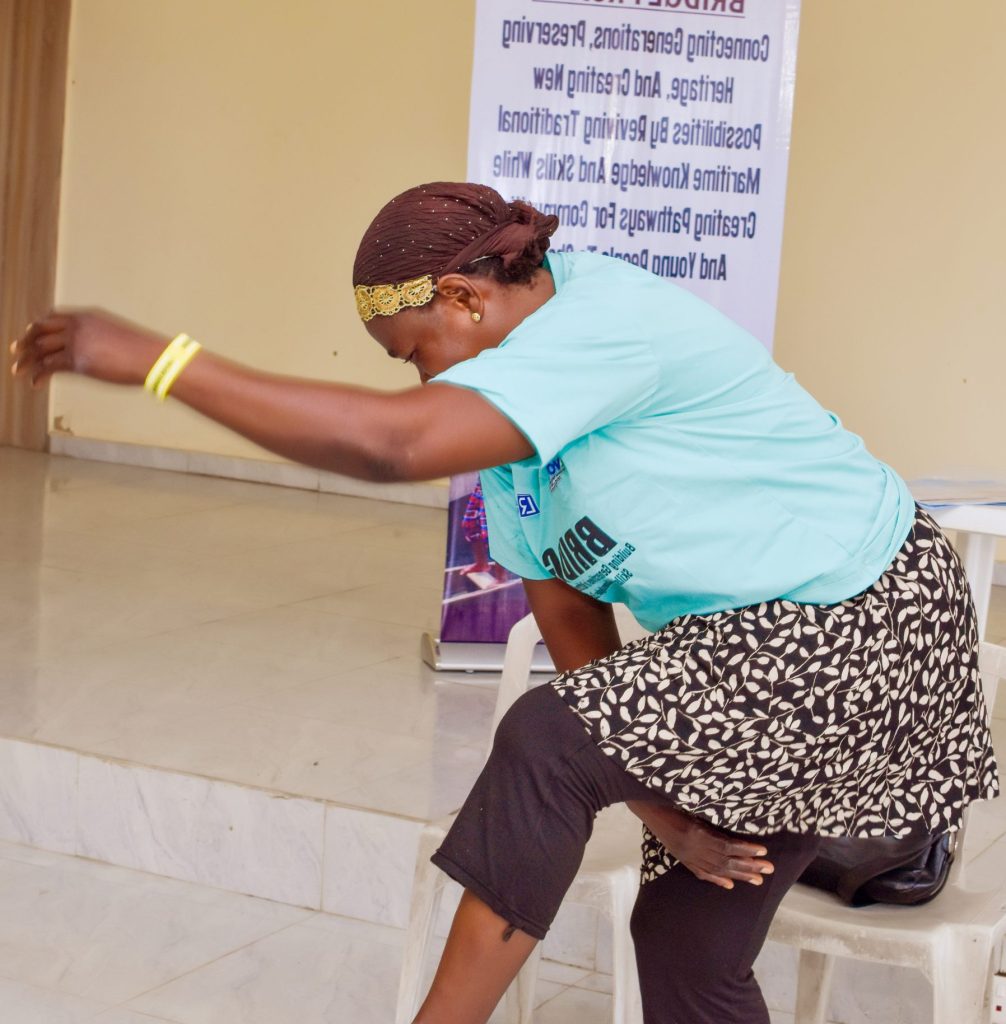
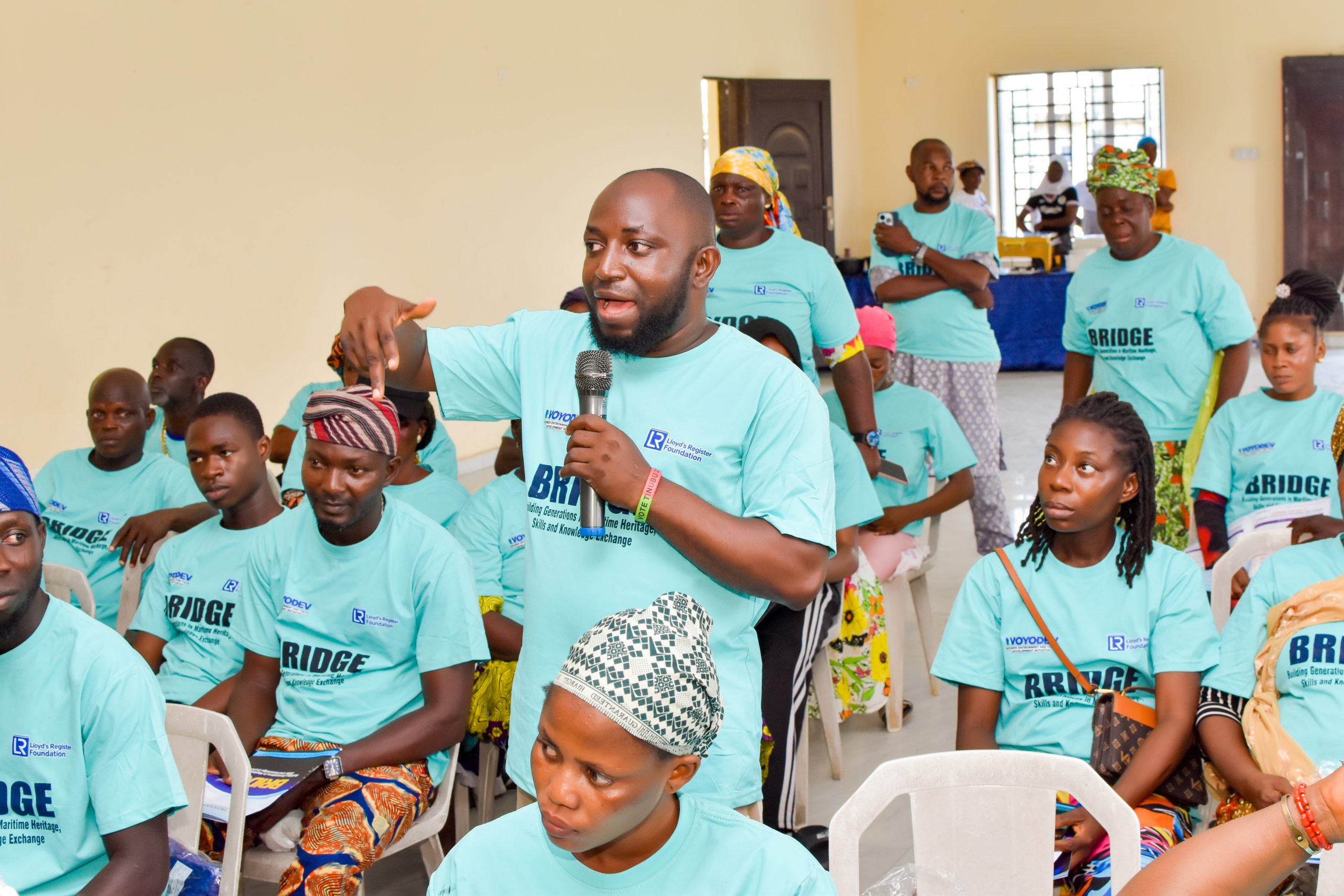
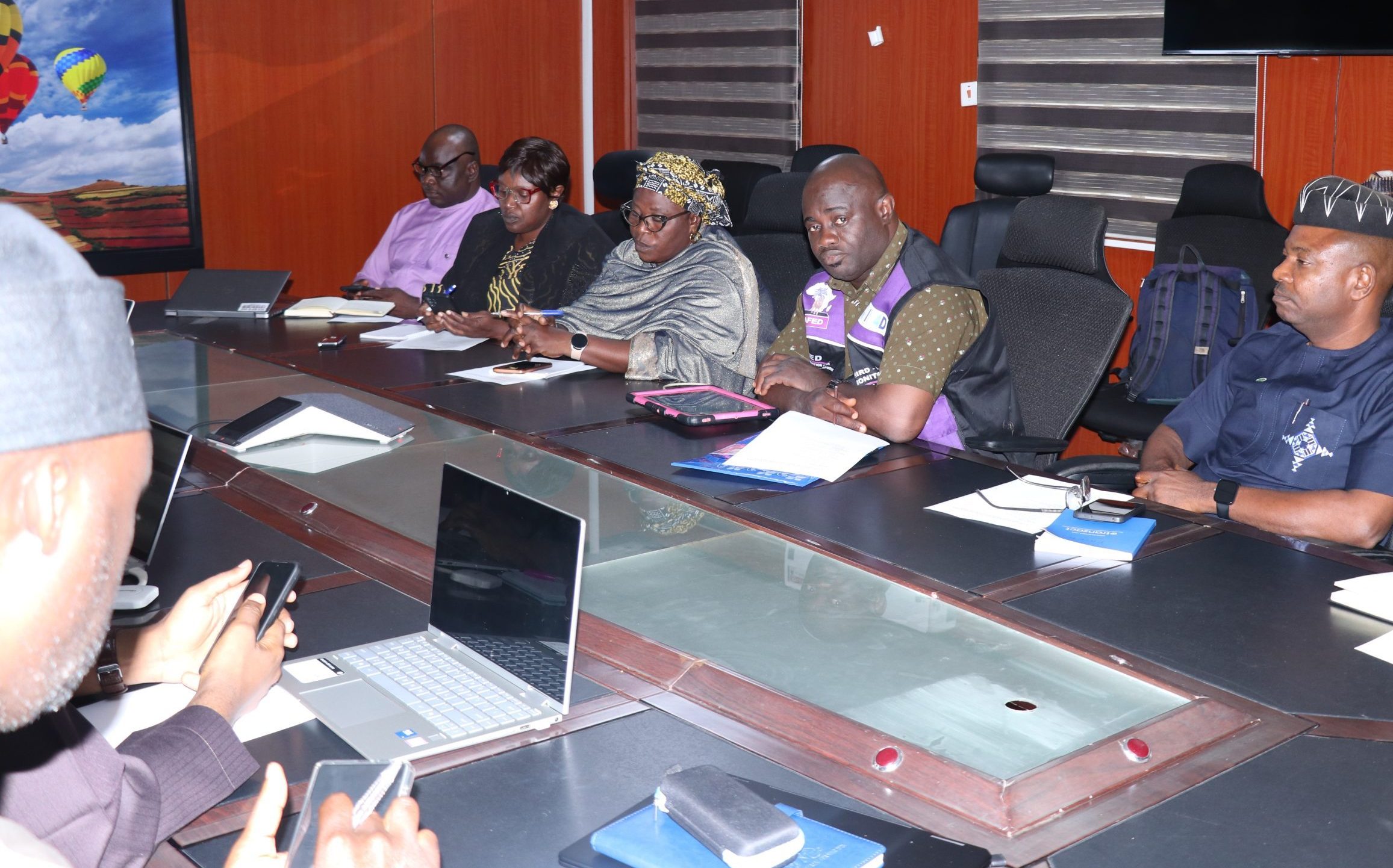
A significant milestone was the project awareness and community engagement held on 28 October 2026 at Agboyi I Community, followed by a stakeholder engagement and training session on 29 October 2026.
These engagements brought together approximately 60 representatives from the Agboyi communities, creating an opportunity to introduce the project, strengthen stakeholder understanding and encourage participation in the preservation and transmission of maritime heritage.
The engagements were important for more than their immediate activities. They helped create a platform for dialogue around the relationship between community identity, traditional knowledge, practical skills, livelihoods and the responsibilities of different generations.
The participation of community stakeholders also reinforced a principle central to BRIDGE: meaningful heritage preservation cannot be imposed from outside. It requires the involvement, knowledge and leadership of the people whose heritage is being preserved.
For WOYODEV, this engagement represents an important step in building a collaborative process in which community members are not passive beneficiaries but active participants in defining priorities and shaping outcomes.
Why this matters beyond Agboyi
The experience of Agboyi speaks to a wider development issue.
Across Africa and other parts of the world, riverine and coastal communities hold valuable knowledge about waterways, fisheries, traditional crafts, local ecosystems and resource management.
Yet this knowledge is not always adequately documented, recognised or integrated into development planning.
In many instances, traditional knowledge holders have limited opportunities to engage with institutions, influence decisions or connect their experience to new skills and livelihood opportunities.
There is an opportunity to rethink how maritime heritage is understood and supported.
Preservation should not be limited to collecting historical accounts or displaying cultural artefacts. It should also recognise the people who sustain maritime traditions, support the transmission of practical skills, strengthen women’s economic participation and create meaningful opportunities for young people.
The BRIDGE approach contributes to this wider conversation by bringing heritage, skills, community participation and sustainable development into one programme framework.
It also demonstrates why local knowledge should be treated as an asset in development programming rather than as information to be collected and archived without continued community benefit.
Phase Two: Moving from recognition to practical skills and knowledge transfer
With Phase One completed, the BRIDGE Project is progressing towards its next stage.
Phase Two will build on the community engagement and foundations established in Agboyi by placing greater emphasis on practical skills acquisition, intergenerational learning and the continued documentation of community experiences.
A key planned component is a targeted skills acquisition programme for 30 participants:
- 15 women will receive training in marine-product processing.
- 15 men will receive training in boat repair.
These activities are intended to support practical knowledge transfer and strengthen skills connected to the community’s maritime livelihood environment.
The project will also continue its documentary work, including the development of a principal documentary on Agboyi’s maritime heritage and separate audiovisual records of key project activities.
The intention is to create more than a record of project implementation. The documentation will help preserve community experiences, make local knowledge more visible and provide material that can support future learning, advocacy and engagement.
The next phase will therefore build on the principle that heritage is best preserved when people have opportunities to practise, share and strengthen the knowledge associated with it.
A partnership connecting local knowledge with global commitment
The BRIDGE Project is implemented by WOYODEV with support from Lloyd’s Register Foundation.
For WOYODEV, the initiative reflects its commitment to inclusive community development, youth and women’s empowerment, environmental sustainability and the recognition of local knowledge as a foundation for development.
For Lloyd’s Register Foundation, the support contributes to the wider recognition of maritime knowledge, skills and the people whose experiences are part of the maritime world.
The partnership demonstrates the value of connecting community-level initiatives with institutions that recognise the importance of knowledge, skills and safer, more sustainable systems.
It also highlights the importance of supporting approaches that are rooted in local realities while contributing to wider development conversations.
Looking ahead: Heritage as a living resource
The completion of Phase One is an important milestone, but it is not the end of the journey.
The deeper ambition of BRIDGE is to contribute to a future in which Agboyi’s maritime heritage is better recognised, community knowledge is valued, traditional skills are strengthened and younger generations have opportunities to learn from those who came before them.
The project also invites a broader question for development organisations, foundations, researchers, policymakers and potential partners:
How can we ensure that the knowledge held by traditional and riverine communities is not lost, overlooked or separated from the opportunities needed to sustain it?
The answer requires more than documentation. It requires investment in people, participation, practical learning, inclusive livelihoods and community ownership.
As WOYODEV moves into the next phase of the BRIDGE Project, we remain committed to working with the people of Agboyi Kingdom to strengthen the connection between heritage, knowledge, skills and sustainable community development.
Because maritime heritage is not simply a record of where a community has come from.
It is also a resource for where that community can go.
About the BRIDGE Project
The Bridging Generations in Maritime Heritage, Skills and Knowledge Exchange (BRIDGE) Project is implemented by the Women Environment and Youth Development Initiative (WOYODEV) in Agboyi Kingdom, Lagos State, Nigeria, with support from Lloyd’s Register Foundation.
The project seeks to preserve maritime and cultural heritage, promote intergenerational knowledge exchange, document indigenous knowledge and traditional skills, and strengthen practical skills and sustainable livelihood opportunities.
Implementing organisation: Women Environment and Youth Development Initiative (WOYODEV)
Supporting organisation: Lloyd’s Register Foundation
Project location: Agboyi Kingdom, Lagos State, Nigeria.