How WOYODEV, with support from Lloyd’s Register Foundation, moved from community research and exploration to advocacy, stakeholder engagement and the preservation of maritime heritage.
May–October 2026 | Agboyi Kingdom, Lagos State, Nigeria
A community’s heritage is not always found in museums, monuments or written historical records. Sometimes, it lives in the memories of its elders, the skills of its artisans, the experiences of its fishers, the economic activities of its women and the everyday relationship between people and their environment.
For generations, communities whose lives are connected to waterways have developed knowledge, practices and skills that sustain their livelihoods and shape their identities. Yet, as societies change, some of these traditions and indigenous knowledge systems risk becoming less visible, less practised and less accessible to younger generations.
What happens when the knowledge that has sustained a community for generations is no longer passed on? What happens when traditional skills are not adequately documented, recognised or strengthened? And how can communities preserve their maritime heritage while creating opportunities for younger generations to engage with it meaningfully?
These questions inspired the Bridging Generations in Maritime Heritage, Skills and Knowledge Exchange (BRIDGE) Project, implemented by the Women Environment and Youth Development Initiative (WOYODEV), with support from Lloyd’s Register Foundation, in Agboyi Kingdom, Lagos State, Nigeria.
The BRIDGE Project was conceived around a simple but important belief: maritime heritage is not merely about preserving the past; it is about recognising the knowledge, skills, identities and livelihoods that communities carry and creating opportunities for these resources to shape a sustainable future.
But before the project reached the community, there was groundwork to be done.
MAY 2026: THE JOURNEY BEGINS – UNDERSTANDING THE COMMUNITIES
The BRIDGE journey began in May 2026 with an initial phase of research, assessment and exploration.
Rather than immediately taking project activities into a community, WOYODEV recognised the importance of understanding the local context, identifying relevant communities and examining the relationship between their histories, livelihoods, traditional skills and waterways.
The initial work therefore focused on a baseline assessment and desk review of potential communities.
This process involved examining available information, identifying communities with relevant maritime and cultural heritage, and considering the opportunities and practical realities associated with implementing a community-centred heritage and skills development initiative.
The exercise was important because the project was not designed to impose an external understanding of maritime heritage on a community. It was intended to engage with the knowledge, experiences and practices that already existed within the communities themselves.
COMMUNITY EXPLORATION: FROM INITIAL OUTREACH TO THE SELECTION OF AGBOYI
As part of the community exploration process, WOYODEV considered and reached out to Ejinrin, among the locations initially examined for the intervention.
The exploratory process provided an opportunity to assess the feasibility of engagement and implementation. However, the necessary conditions for proceeding with the intervention there were not established.
WOYODEV subsequently focused its implementation on Agboyi Kingdom, a riverine community in Kosofe, Lagos State, comprising Agboyi I, Agboyi II and Agboyi III.
Agboyi presented a compelling context for the BRIDGE Project.
Its relationship with waterways is deeply connected to its history, economic activities, cultural practices and community identity. Fishing has historically been a significant livelihood activity, while traditional craftsmanship, boat-related knowledge, women’s trading activities and other community practices contribute to its social and economic life.
Published research by Odeyemi and Ajuwon (2020), examining the origins, customs and traditions of the people of Agboyi, also identifies fishing as a major traditional economic activity and documents aspects of the community’s traditional crafts and social organisation. cenresinjournals.com
However, WOYODEV understood that published research alone could not tell the complete story of Agboyi.
The experiences of the people themselves – particularly elders, traditional knowledge holders, fishers, women, artisans and young people – would be essential to understanding what should be documented, what knowledge was still being practised, what was changing and what opportunities existed for strengthening intergenerational knowledge transfer.
Agboyi was therefore not simply selected as a project location. It became the community in which WOYODEV would work with residents and traditional stakeholders to explore how maritime heritage could be recognised, preserved and connected to future opportunities.
JUNE–SEPTEMBER 2026: ADVOCACY, CONSULTATIONS AND BUILDING COMMUNITY RELATIONSHIPS
With Agboyi identified as the implementation community, the next important step was to build relationships, create awareness and establish the foundation for community participation.
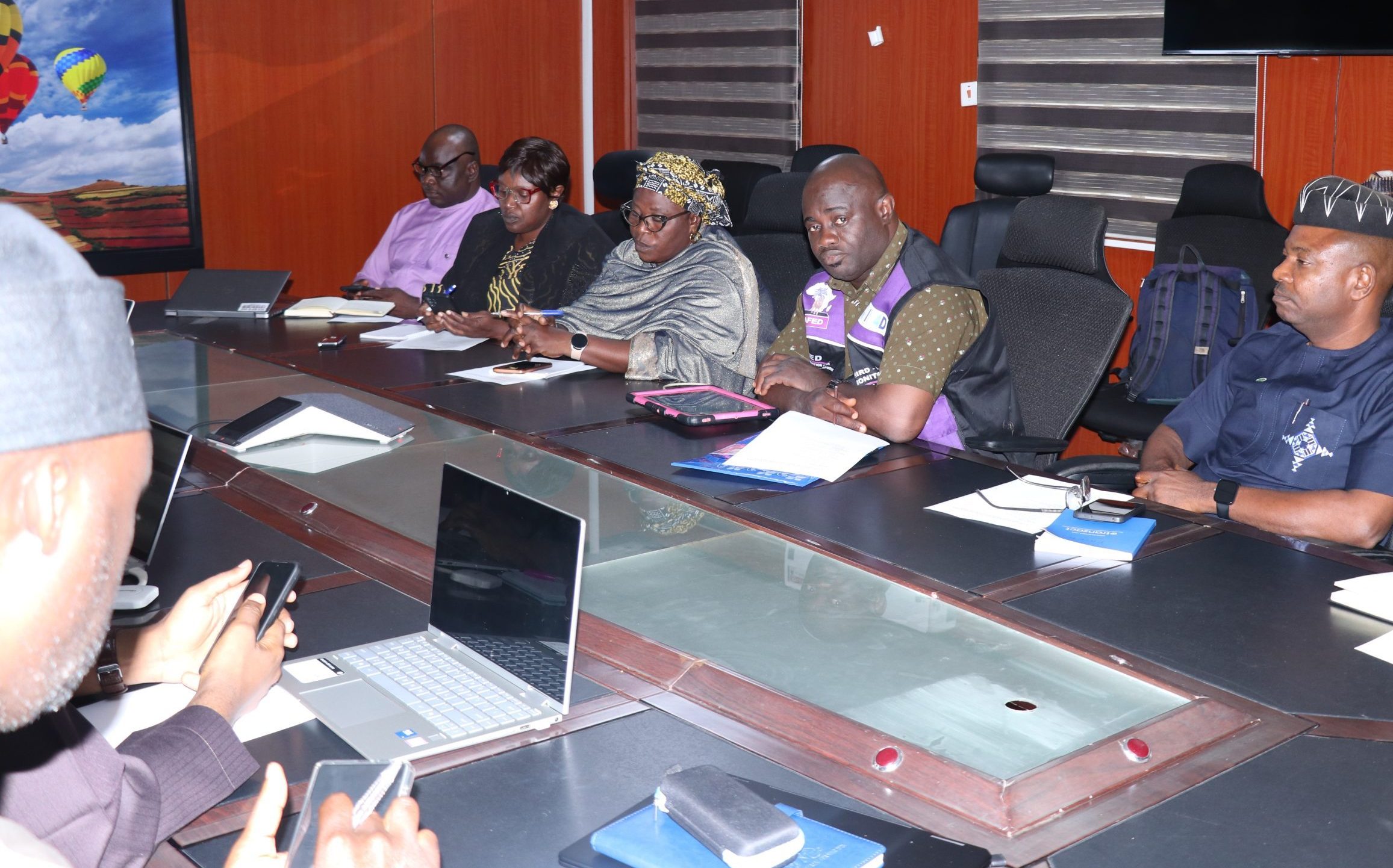
WOYODEV embarked on a series of advocacy engagements and consultations in Agboyi, reaching out to the traditional institution, community leaders and relevant stakeholders.
This stage was particularly important.
In a community where cultural heritage, traditional knowledge and local identity are closely connected to established institutions and community relationships, meaningful engagement requires respect for local structures and an appreciation of the people who hold and transmit the knowledge being documented.
The consultations provided opportunities to introduce the BRIDGE Project, explain its objectives, discuss the importance of maritime heritage and encourage community ownership of the process.
They also helped establish a platform for conversations around:
- The history and cultural identity of Agboyi Kingdom.
- Traditional fishing practices and maritime-related livelihoods.
- Indigenous knowledge and skills held by older generations.
- The importance of transferring knowledge to younger generations.
- Women’s contributions to community livelihoods and economic activities.
- Opportunities for preserving traditional skills while strengthening practical capacities.
- Environmental sustainability and responsible practices within the community’s relationship with waterways.
Rather than approaching the community solely as recipients of project support, WOYODEV sought to recognise residents as contributors, knowledge holders and custodians of their heritage.
The advocacy and consultation process reinforced an important principle: a project intended to preserve community heritage must first listen to the community.
It must understand local realities, respect traditional institutions, recognise different perspectives and create opportunities for residents to participate in decisions about their own heritage.
This process laid the groundwork for the wider community engagement and stakeholder learning activities that followed.
OCTOBER 2026: FROM ADVOCACY TO COLLECTIVE COMMUNITY ENGAGEMENT
By October, the groundwork had created an important opportunity to bring community stakeholders together for more structured engagement.
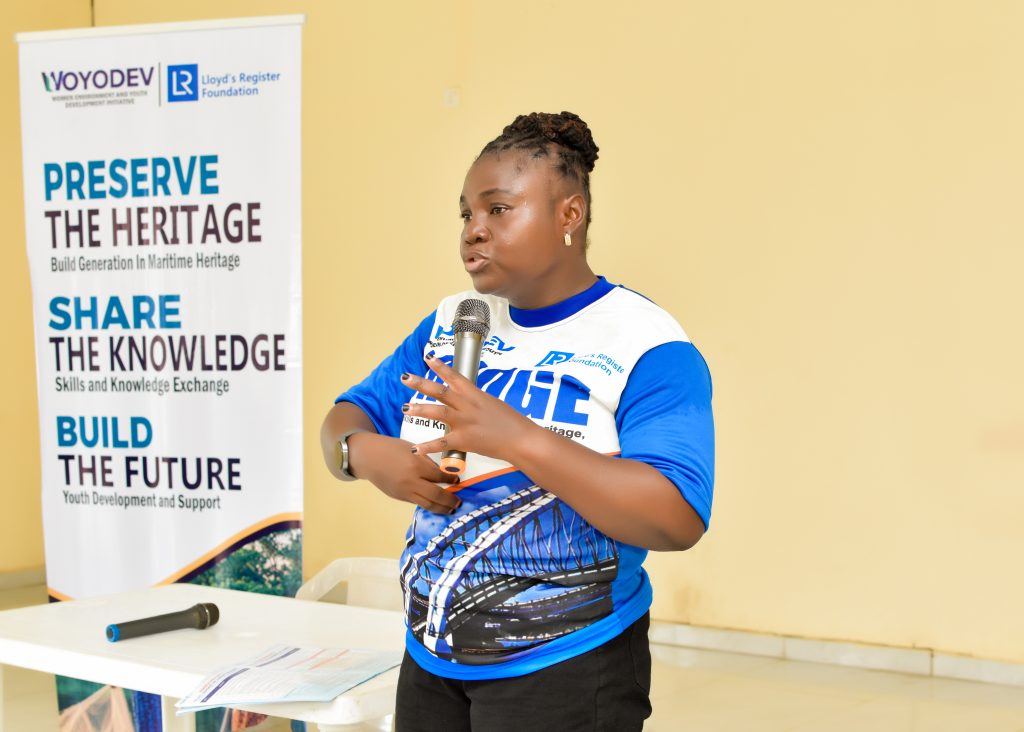
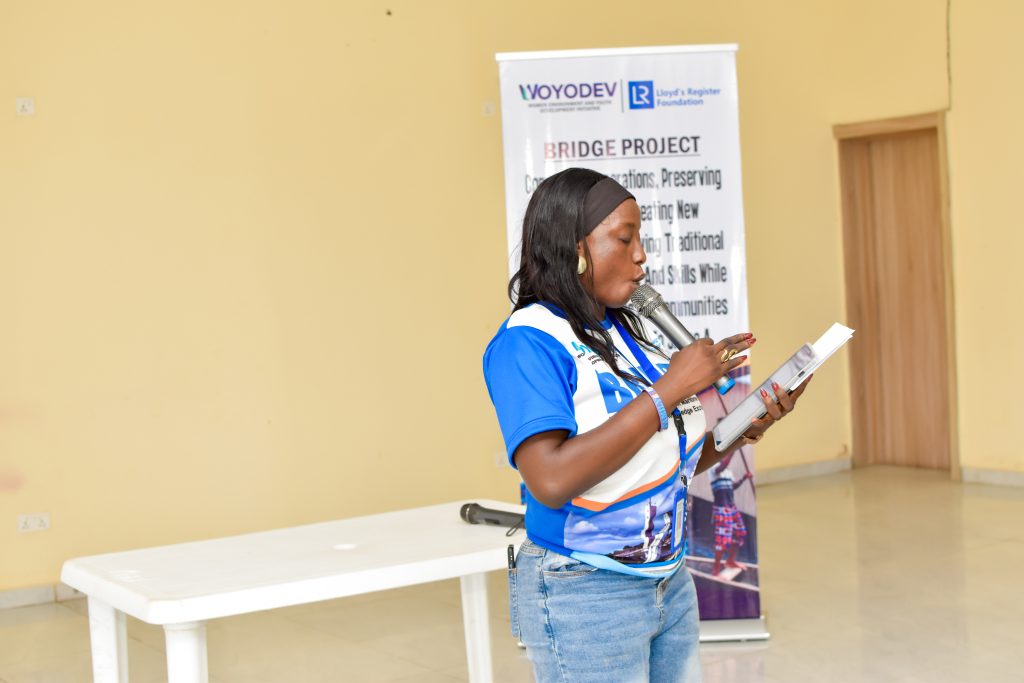
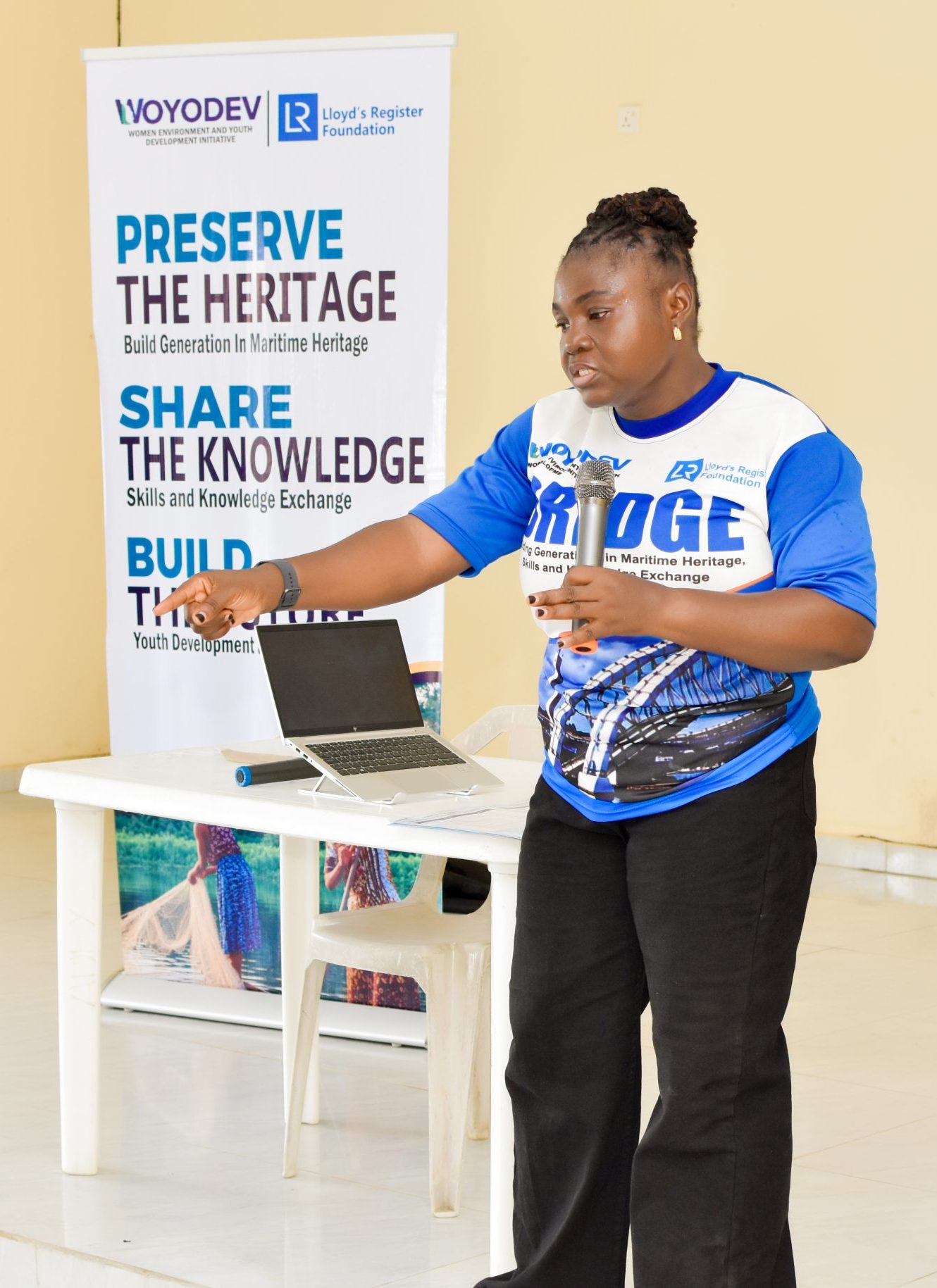
On 28 October 2026, WOYODEV held a community awareness and engagement programme at Agboyi I Community.
The engagement provided an opportunity to deepen community understanding of the BRIDGE Project, communicate its objectives and encourage wider participation in the preservation of Agboyi’s maritime and cultural heritage.
It also provided a platform for discussions on the importance of traditional knowledge, intergenerational learning, community identity and the need to preserve skills and experiences that might otherwise become less visible over time.
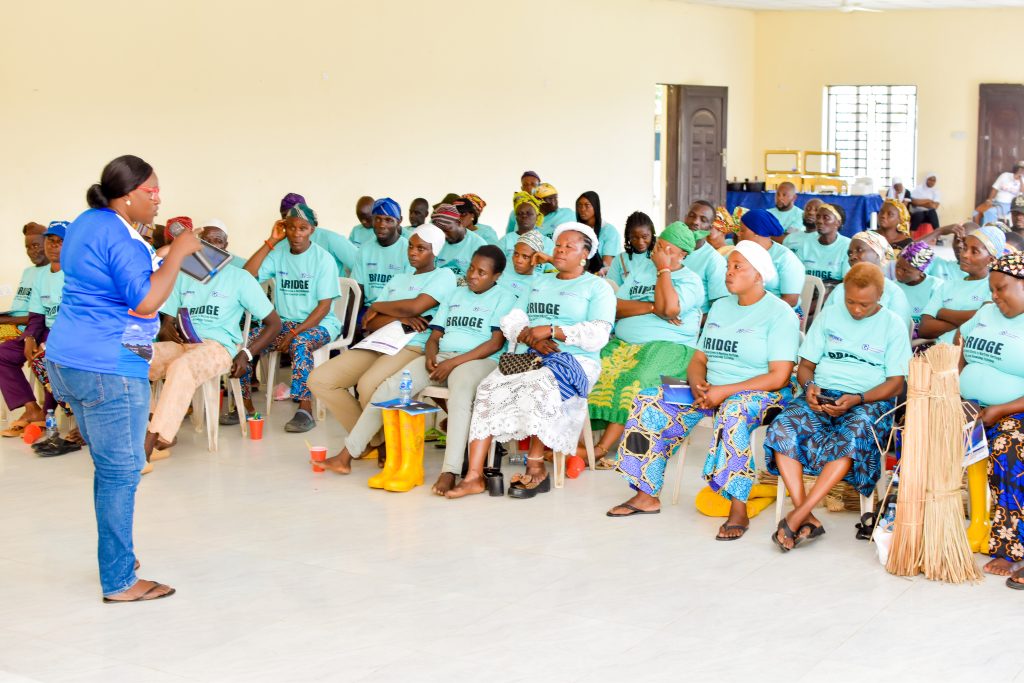
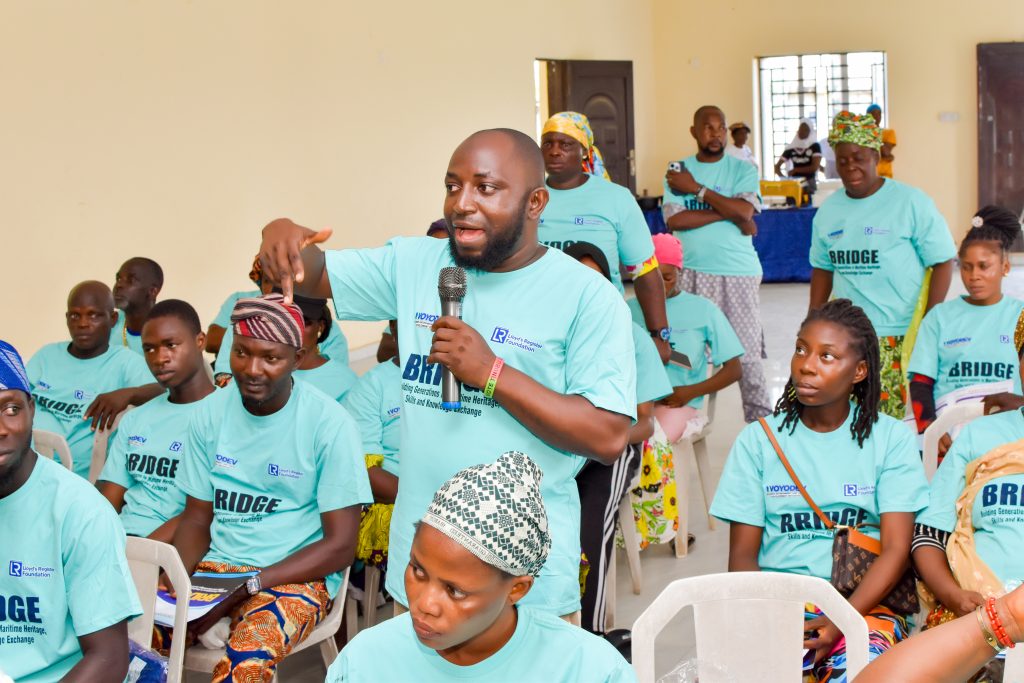
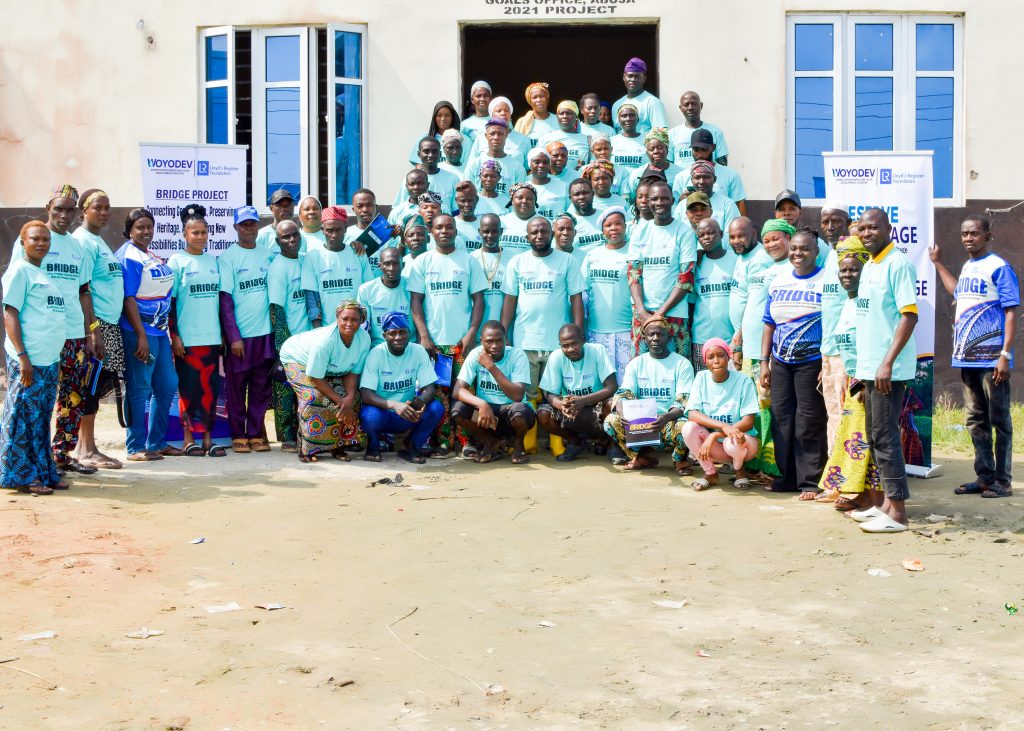
The programme was followed on 29 October 2026 by a stakeholder training on sustainable practices.
Approximately 60 selected representatives from Agboyi I, II and III participated in the two-day engagement.
The second day focused on strengthening stakeholder awareness and understanding of key areas relevant to the project’s objectives, including:
- Cultural and maritime heritage.
- Traditional fishing heritage and practices.
- Organic waste management.
- Sustainable marine culture and farming.
- Intergenerational knowledge exchange.
- The relationship between traditional livelihoods, environmental responsibility and community sustainability.
The training was an important opportunity to connect heritage preservation with practical conversations about sustainability.
It reinforced the understanding that the future of maritime heritage is linked not only to remembering traditional practices but also to ensuring that communities have the knowledge, awareness and opportunities to sustain their livelihoods and environment.
Together, the two days marked a significant milestone in the first phase of BRIDGE.
They were not the beginning of the project. They represented the culmination of months of research, community exploration, advocacy and relationship-building.
WHY THIS JOURNEY MATTERS: A THEORY OF CHANGE ROOTED IN COMMUNITY KNOWLEDGE
The BRIDGE Project is guided by the understanding that traditional knowledge becomes vulnerable when opportunities to document, practise, share and strengthen it are limited.
However, heritage preservation should not be reduced to recording historical accounts or collecting information from community members.
It must also recognise the people who hold that knowledge, the skills through which it is practised, and the opportunities required to transfer it to future generations.
This is the foundation of the project’s Theory of Change:
If riverine communities are supported to identify, document and preserve their maritime heritage; if traditional knowledge holders, elders, women, men and young people have opportunities to share and strengthen their knowledge and skills; and if heritage preservation is connected to practical capacity development, sustainable livelihoods and environmental responsibility, then community heritage is more likely to remain a living resource that strengthens identity, intergenerational relationships, skills and future development opportunities.
This approach is consistent with wider international thinking on sustainable small-scale fisheries. The Food and Agriculture Organization of the United Nations (FAO), through its Voluntary Guidelines for Securing Sustainable Small-Scale Fisheries, emphasises participation, awareness, empowerment and the recognition of local knowledge as important elements of sustainable fisheries and community livelihoods. For BRIDGE, this means that the preservation of maritime heritage must be connected to people, practical knowledge and the conditions that enable communities to carry their heritage forward.
OCTOBER COMPLETED. THE BRIDGE CONTINUES.
The completion of Phase One in October 2026 represents an important milestone in the BRIDGE Project. From the initial baseline assessment and desk review in May, through community exploration, the selection of Agboyi, advocacy and consultations with traditional and community stakeholders, to the community awareness and engagement programme and sustainable practices training in October, the first phase has established a foundation for the next stage of implementation.
But the work is not over.
The project will now progress towards further documentation of Agboyi’s maritime and cultural heritage, practical skills acquisition and continued intergenerational knowledge exchange.
A key component of the next stage is a planned skills acquisition programme for 30 participants:
- 15 women in marine-product processing.
- 15 men in boat repair.
These activities are intended to connect traditional knowledge with practical skills development and strengthen opportunities for the transmission of knowledge within the community. The project will also document community experiences through a principal documentary on Agboyi’s maritime heritage and separate audiovisual records of key project activities. The ambition is to ensure that the stories, skills and experiences of Agboyi are not only heard during project activities but are also documented and made available as part of a wider effort to recognise and preserve community maritime heritage.
A PARTNERSHIP WITH A SHARED COMMITMENT
The BRIDGE Project is implemented by the Women Environment and Youth Development Initiative (WOYODEV), with support from Lloyd’s Register Foundation. For WOYODEV, the project reflects its commitment to community-led development, environmental sustainability, inclusive livelihoods, women’s and youth participation, and the recognition of indigenous knowledge as a valuable development resource. The support of Lloyd’s Register Foundation provides an opportunity to bring greater attention to the maritime knowledge and skills that exist within riverine communities and to explore how these can be recognised, documented and strengthened. The partnership demonstrates the value of connecting local experiences with wider institutional commitments to knowledge, skills and safer, more sustainable systems.
THE STORY IS STILL UNFOLDING
The first phase of BRIDGE has taught us an important lesson: meaningful preservation begins with listening. It begins by understanding a community before intervening, recognising the value of its people and knowledge, engaging its institutions, and creating opportunities for generations to learn from one another. Agboyi’s maritime heritage is not simply a story of the past. It is a living resource that deserves recognition, protection and investment.
As WOYODEV moves into the next phase of the BRIDGE Project, we remain committed to working alongside the people of Agboyi Kingdom to strengthen the connection between heritage, knowledge, skills and sustainable community development.
Because preserving our heritage is not simply about remembering where we came from. It is about ensuring that future generations have something meaningful to inherit, learn from and build upon.
BRIDGE Project. Our heritage. Our knowledge. Our future.
………………………………………………………………………………………………………………………………………………….
About the BRIDGE Project
The Bridging Generations in Maritime Heritage, Skills and Knowledge Exchange (BRIDGE) Project is implemented by the Women Environment and Youth Development Initiative (WOYODEV) in Agboyi Kingdom, Lagos State, Nigeria, with support from Lloyd’s Register Foundation.
The project seeks to preserve maritime and cultural heritage, promote intergenerational knowledge exchange, document indigenous knowledge and traditional skills, and strengthen practical skills and sustainable livelihood opportunities.
Implementing organisation: Women Environment and Youth Development Initiative (WOYODEV)
Supporting organisation: Lloyd’s Register Foundation
Location: Agboyi Kingdom, Lagos State, Nigeria.